
ما هي الثعلبة الليفية الأمامية (FFA)؟ تُعرف حالة FFA أيضاً باسم “الثعلبة الندبية” (Cicatricial Alopecia)، وهي نوع من أنواع الثعلبة الندبية (تساقط الشعر) التي تتميز بتراجع خط الشعر عند الجبهة ومنطقتي السوالف. وقد يعاني المصاب أيضاً من تساقط الشعر في مناطق أخرى، مثل الرموش والحواجب ومنطقة العانة.
يرتبط داء الثعلبة الليفية الأمامية (FFA) في المقام الأول بالتغيرات الهرمونية، وهو شائع جداً لدى النساء في مرحلة انقطاع الطمث؛ كما سُجّلت أعلى معدلات الإصابة به بين النساء الأصغر سناً (ممن تجاوزن مرحلة المراهقة) والرجال من ذوي الأصول الأفريقية والآسيوية والبيض.
ونُصنِّف هذا المرض إلى مراحل مبكرة ومراحل متقدمة.
- المراحل المبكرة
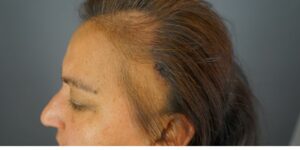
في المراحل المبكرة من داء الثعلبة الليفية الجبهية (FFA)، تظهر رقة في الجلد المصاب بالصلع في المنطقة الأمامية من فروة الرأس، وأحياناً على الجانبين؛ وتبدأ هذه الحالة ببطء وتتفاقم مع مرور الوقت.
- FFA تصاعدي
مع تفاقم الحالة، تبدو المناطق المصابة شاحبة وخالية من فتحات الجريبات، مما يضفي عليها مظهراً غير معتاد.
ما هي أسباب الثعلبة الليفية الأمامية (FFA)؟
لم يكتشف الخبراء بعد السبب الرئيسي للإصابة بداء الثعلبة الليفية الأمامية (FFA) نظراً لندرة هذا المرض. ومع ذلك، تتزايد حالات الإصابة المُبلغ عنها، حيث يتم تشخيص بعضها بالتزامن مع الإصابة بالنمط الأنثوي للثعلبة الأندروجينية.
وتشمل بعض الأسباب المحتملة ما يلي:
الهرمونات
عادةً ما يصيب داء الثعلبة الليفية الأمامية (FFA) النساء في مرحلة ما بعد انقطاع الطمث، مما يرجح أن للهرمونات دوراً مهماً في نشوء المرض لدى النساء الأكبر سناً؛ ومع ذلك، نادراً ما تُظهر الفحوصات الهرمونية لدى المصابات بهذا المرض أي تشوهات.
علم الوراثة
لا تزال الأبحاث جارية لربط العوامل الوراثية بأسباب الإصابة بمرض “الثعلبة الليفية الأمامية” (FFA)؛ ومع ذلك، أفاد العديد من المرضى بأن أفراداً من عائلاتهم يعانون من هذه الحالة. ويرجح المختصون أن هناك جينات محددة تزيد من احتمالية الإصابة بالمرض.
مرض المناعة الذاتية
يمكن أن يرتبط داء الثعلبة الليفية الأمامية (FFA) بمرض مناعي ذاتي آخر يُعرف باسم الحزاز المسطح الشعري (LPP)، والذي يهاجم بصيلات الشعر السليمة. وباعتباره حالة مرضية كامنة، قد يؤدي الحزاز المسطح الشعري إلى الإصابة بالثعلبة الليفية الأمامية؛ إذ تتعرض بصيلات الشعر المصابة للتلف، مما يفضي إلى حدوث تندّب.
عمليات جراحية
قد تؤدي عمليات زراعة الشعر التي تُجرى بشكل غير صحيح إلى إلحاق الضرر بفروة الرأس أو اللحية؛ لذا يُنصح باستشارة طبيب معتمد ومختص لإجراء مثل هذه العمليات.
العوامل البيئية
قد يؤدي الإفراط في استخدام واقي الشمس، والأدوية، وأشعة الشمس الشديدة، والعدوى الفيروسية إلى الإصابة بداء تساقط الشعر في الوجه.
أعراض الثعلبة الليفية الأمامية (FFA)
على عكس الأشكال الأخرى من داء الثعلبة، يتميز الثعلبة الليفية الأمامية (FFA) بأعراض قليلة وغير ملحوظة، تشمل:
- تساقط الشعر في مقدمة فروة الرأس وجوانبها.
- ندوب ناتجة عن تلف بصيلات الشعر.
- ألم في فروة الرأس.
- نتوءات صفراء اللون عند خط الشعر.
العرض الأقل شيوعاً هو تساقط الشعر في:
- الحواجب
- الرموش
- اللحى
- تحت الإبطين
- منطقة العانة.
كيف يتم تشخيص الثعلبة الليفية الأمامية (FFA)؟
يُعد تشخيص داء الثعلبة الليفية الأمامية (FFA) أمراً صعباً نظراً لتشابهه مع حالات أخرى تصيب شعر فروة الرأس؛ إذ تكون الأعراض في المراحل المبكرة غير واضحة تقريباً، مما يستدعي استشارة أخصائي متمرس لتجنب التشخيص الخاطئ.
يقوم الأخصائيون بفحص المنطقة المصابة سريرياً، تلي ذلك عملية أخذ خزعة، حيث يفحص الطبيب عينات مأخوذة من الشعر وفروة الرأس تحت المجهر.
ويمكن للفحص النسيجي تأكيد التشخيص وتتبع حالات الإصابة بالمرض وربطها بالتاريخ العائلي للمريض.
كما يجري الأطباء فحصاً مجهرياً للشعر (Trichoscopy) لزيادة دقة تشخيص الحالات التي تصيب شعر الحاجبين والرموش ومنطقة العانة، وذلك نظراً لاحتمالية عدم ملاحظة الأعراض الدقيقة.
ونظراً لوجود ارتباط محتمل بين هذا المرض وأمراض المناعة الذاتية الأخرى، قد يرى الأطباء ضرورة إجراء فحوصات إضافية – مثل اختبارات وظائف الغدة الدرقية وتحاليل الدم الدموية والكيميائية الحيوية – للمساعدة في الكشف عن احتمالية وجود حالات مرضية أخرى.
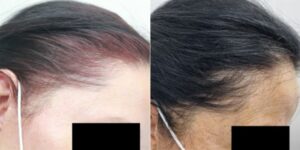
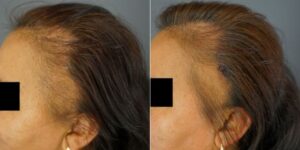
كيف يبدو مظهر الثعلبة الليفية الأمامية؟
ما هي العلاجات المتاحة للثعلبة الليفية الأمامية (FFA)؟
لا يوجد علاج لـ FFA. ومع ذلك، هناك عدة طرق لإدارة الأعراض وعلاجها، وبالتالي إبطاء التقدم. مع ما يكفي من التجارب الخاضعة للرقابة، يمكن للمتخصصين إيجاد حل دائم لعلاج FFA. لذلك، يجب على المرضى اختيار طرق العلاج بحذر لإدارة الحالة بشكل فعال.
بعض الطرق المتاحة تشمل العلاجات الموضعية والأقراص.
العلاجات الموضعية
- المراهم المثبطة: يمكن وضع هذه المراهم مباشرة على فروة الرأس -وفقاً لما يصفه الطبيب- للحد من الالتهاب.
- حقن الستيرويد: يلجأ الأطباء إلى استخدام هذه الحقن عند إصابة مساحة صغيرة من فروة الرأس. وقد تشمل الآثار الجانبية ترقق الجلد والشعور بعدم الراحة؛ ومع ذلك، فقد أشار الأطباء إلى دور هذه الحقن في إبطاء تقدم حالة الثعلبة الليفية الأمامية (FFA).
- الستيرويدات الموضعية: تساعد المستحضرات الموضعية -مثل الهلام (الجل) والمحاليل والرغوة العلاجية- في تخفيف الأعراض في المناطق المصابة من فروة الرأس.
المكملات الغذائية
- المضادات الحيوية: يمكن للمرضى استخدامها للحد من الالتهاب.
- الكورتيكوستيرويدات: تُستخدم لفترة قصيرة للسيطرة على أعراض داء الثعلبة الليفية الأمامية (FFA). أما عند استخدامها لفترة طويلة، فقد تظهر آثار جانبية مثل مرض السكري، وارتفاع ضغط الدم، وزيادة الوزن.
- هيدروكسي كلوروكوين: يساعد هذا الدواء في تخفيف الألم وحكة فروة الرأس، كما قد يساهم في إعادة نمو الشعر عند وصفه في المراحل المبكرة من المرض.
- فيناسترايد: يعمل هذا الدواء (أو دواء دوتاسترايد) على إبطاء تطور داء الثعلبة الليفية الأمامية.
تشمل أشكال العلاج الأخرى:
- العلاج بالليزر
- يمكن النظر في إجراء زراعة الشعر بعد عدة سنوات من السيطرة على المرض.
- الوشم الطبي لعلاج تساقط شعر الحاجبين.
الأسئلة الشائعة حول الثعلبة الليفية الأمامية (FFA)
هل يمكن عكس مسار الثعلبة الليفية الأمامية (FFA)؟
إذا تم تشخيصه مبكرًا، يمكنك إدارة FAA، ويمكن عكس الشعر المفقود.
كم تستمر الإصابة بالثعلبة الليفية الأمامية (FFA)؟
لدى بعض المرضى، يمكن أن يستمر داء الثعلبة الليفية الأمامية (FFA) لسنوات وأن يتفاقم إذا تُرك دون علاج. إذا كنت تشتبه في إصابتك بهذا المرض، يُرجى استشارة طبيب أمراض جلدية معتمد ومختص، مثل الدكتور سانوسي عمر، عبر هذا الرابط: https://arabic.dru.com/hair-free-consultation/ أو استخدام زر الاستشارة أدناه.
استشارة مجانيةهل يمكن تشخيص الثعلبة الليفية الأمامية (FFA) بشكل خاطئ؟
يمكن الخلط بين FAA والنمط الأنثوي الثعلبة الأندروجينية (AGA) أو، في بعض الحالات، مع ثعلبة الشد.
مراجع
إيفا ماريا فاليسكي وآخرون. الثعلبة الليفية الأمامية – مراجعة لتقارير الحالات وسلاسل الحالات الحديثة في قاعدة بيانات PubMed. 1 أغسطس 2018، https://doi.org/10.1111/ddg.13601. تم الاطلاع في 3 أغسطس 2023.
فيرتيغ، ريموند، وأنتونيلا توستي. “خيارات علاج الثعلبة الليفية الأمامية”. مجلة أبحاث الأمراض المستعصية والنادرة (Intractable & Rare Diseases Research)، المجلد 5، العدد 4، 2016، ص 314–315، https://doi.org/10.5582/irdr.2016.01065. تم الاطلاع في 8 أغسطس 2020.
لاكاروبا، ف.، وميكالي، ج.، وتوستي، أ. (2013). غياب الشعر الوبري (vellus hair) عند خط الشعر يُعد سمة مميزة للثعلبة الليفية الأمامية عند الفحص بالتنظير الجلدي بالفيديو. المجلة البريطانية للأمراض الجلدية (British Journal of Dermatology)، 169(2)، 473–474. https://doi.org/10.1111/bjd.12316
توستي، أ.، وبيراشيني، ب. م.، وإيوريزو، م.، وميشيالي، س. (2005). الثعلبة الليفية الأمامية لدى النساء بعد سن اليأس. مجلة الأكاديمية الأمريكية للأمراض الجلدية (Journal of the American Academy of Dermatology)، 52(1)، 55–60. https://doi.org/10.1016/j.jaad.2004.05.014