
إذا كنت تفكر حالياً في إجراء عملية زراعة شعر، فإن الاطلاع على صور “قبل وبعد” لعمليات ناجحة يُعد خطوة أولى ممتازة في رحلتك. لقد وصل أحد المرضى من منطقة “صانلاند” بولاية كاليفورنيا إلى عيادة الدكتور “عمر” (Dr. Umar) وهو يعاني من آثار عملية زراعة شعر فاشلة سابقة؛ حيث تسببت تلك العملية في جعل خط الشعر غير متساوٍ وخلّفت ندبة خطية بارزة. تابع القراءة لمعرفة كيف ساعد الدكتور “عمر” هذا المريض على استعادة ثقته بنفسه ومظهره الطبيعي، وسنتناول بالتفصيل عملية زراعة الشعر الأولية التي خضع لها (مرحلة “قبل”)، وعملية زراعة شعر الجسم التي أجراها لاحقاً (مرحلة “بعد”)، وأخيراً، سنوضح سبب تميز وفعالية منهجية “Dr. U” في مجال استعادة الشعر عند استخدام شعر الجسم في الزراعة [1].
https://www.youtube.com/watch?v=nnd8as7PJHA&t=1s
زراعة الشعر: قبل وبعد – صور “قبل”:
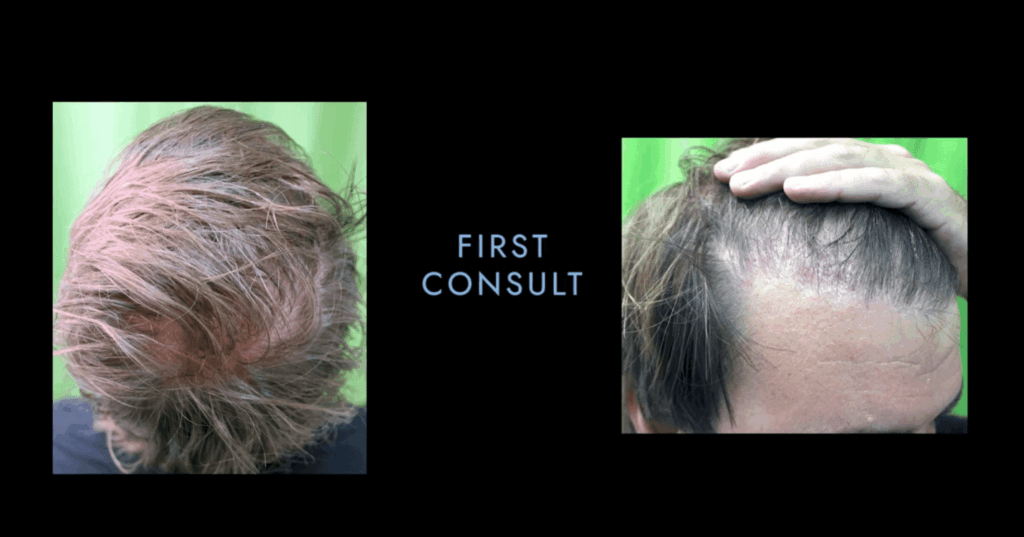
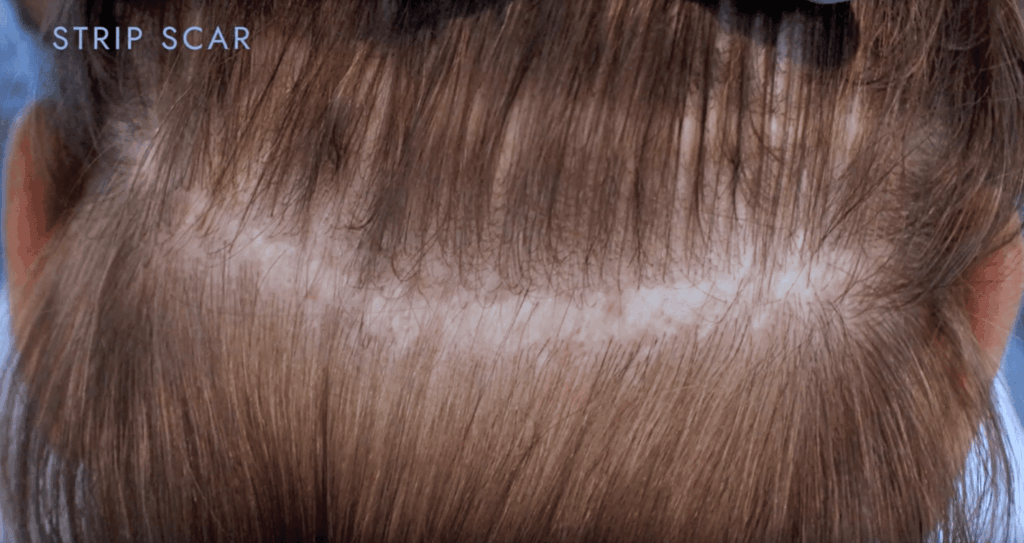
عندما دخل المريض إلى عيادة الدكتور عمر للمرة الأولى، لم يكن غريباً على جراحات زراعة الشعر؛ فقد سبق له الخضوع لعملية زراعة الشعر بتقنية “FUSS” (استئصال شريحة من فروة الرأس تحتوي على وحدات بصيلية)، وهي عملية خلّفت لديه ندبة مشوهة للمظهر. وتُعد تقنية “FUSS” أسلوباً عفا عليه الزمن؛ نظراً لأنها تتطلب استئصال شريحة طولية من مؤخرة فروة الرأس أو جانبيها لاستخدامها كشريحة مانحة. أثناء جراحة FUSS، يقوم الطبيب بإزالة شريحة من الأنسجة من المنطقة المانحة الواقعة في الجزء الخلفي من فروة الرأس (المعروفة أيضاً باسم المنطقة القذالية) وعلى جانبي الرأس فوق الأذنين.. كما أدى إجراء FUSS الذي خضع له المريض إلى استنزاف المخزون المتاح من المتبرعين. شعر …على فروة رأسه. وقد طلب من الدكتور عمر إخفاء الندبة، وتحسين خط الشعر، وتأطير وجهه بشكل أفضل، وجعل خط الشعر يبدو أكثر كثافة.
;
زراعة الشعر: قبل وبعد – صور الإجراء:
خلال الجراحة الأولى، حصل المريض على 3443 طعمًا مأخوذًا من لحيته ورأسه ومؤخرته وساقه وتم وضعها على ندبه وخط شعره والجبهة والتاج. في الجراحة الثانية التي أجراها، تم وضع 826 طعمًا من رأسه على جبهته. استخدم الدكتور عمر 1206 بصيلة من شعر رأس المريض وساقه لتطبيقها على خط الشعر والجبهة أثناء الجراحة الثالثة.
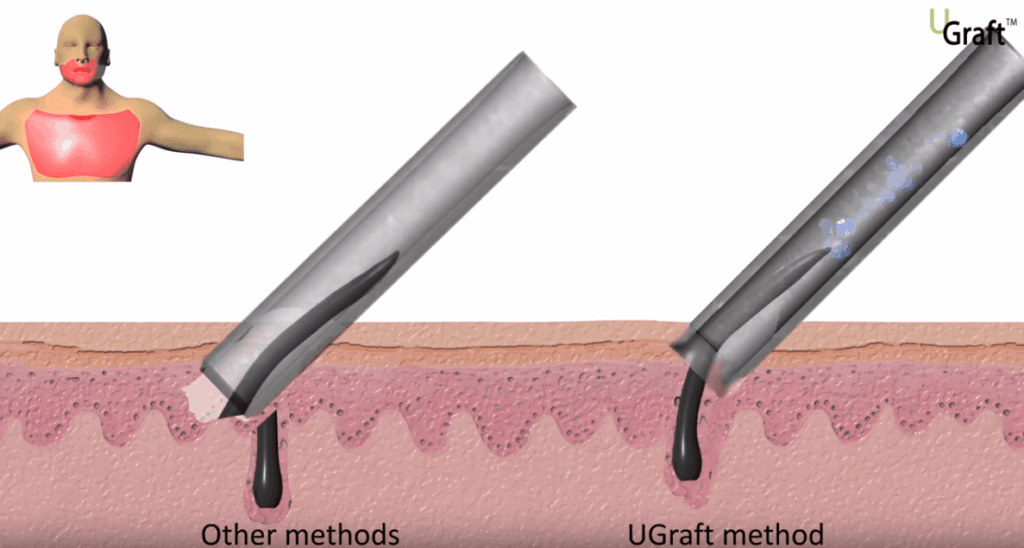
تعتبر تقنية Dr.UGraft™ الخاصة بالدكتور عمر مفيدة لـ BHT لأنها يمكن أن تعمل مع زوايا بصيلات مختلفة. إذا تعرضت البصيلة للتلف أثناء عملية الاستخراج، فإنها لن تنمو بعد زراعتها. يجعل دكتور يوجرافت من الممكن استخراج بصيلات مستقيمة أو ملفوفة أو مجعدة أو متموجة دون أي ضرر. على الرغم من أن وقت التعافي يختلف من مريض لآخر، إلا أن الطبيعة غير الجراحية للعملية تسمح للمرضى بالعودة إلى روتين حياتهم اليومي بمجرد انتهاء الإجراء.
زراعة الشعر قبل وبعد – صور النتائج:
لتلبية رغبة المريض، اختار الدكتور عمر إجراء عملية زراعة شعر الجسم (BHT) باستخدام تقنية Dr. UGraft™. تتضمن تقنية زراعة الشعر من الجسم (BHT) الحصول على الشعر من مناطق غير فروة الرأس – مثل اللحية ومناطق أخرى من الجسم – وزراعته في المناطق المصابة بالصلع في فروة الرأس.. هناك أربع مزايا رئيسية لاستخدام شعر الجسم كمصدر؛ فأولاً، يتيح توسيع نطاق مصادر الشعر ليشمل شعر الجسم إمكانية علاج المرضى الذين يعانون من حالات صلع شديدة. كما يمنح هذا الإجراء الجراح خيارات أوسع عند انتقاء الشعر الذي يحاكي المظهر الطبيعي للشعر بأفضل صورة ممكنة.
علاوة على ذلك، يحفز هرمون الأندروجين نمو شعر الجسم بينما يساهم في تساقط الشعر المرتبط بالثعلبة الأندروجينية (الصلع النمطي)؛ وهذا يعني توفر مخزون وفير من الشعر في مناطق الجسم يمكن استخدامه لتعويض الشعر المفقود من فروة الرأس. كما أن المرضى الذين استنفدوا مخزون الشعر في المناطق المانحة لديهم نتيجة الخضوع لإجراءات قديمة (كما هو حال هذا المريض) يحظون بفرصة جديدة لاستعادة الشعر بفضل هذا المصدر المانح الجديد.
فيديو: زراعة الشعر قبل وبعد
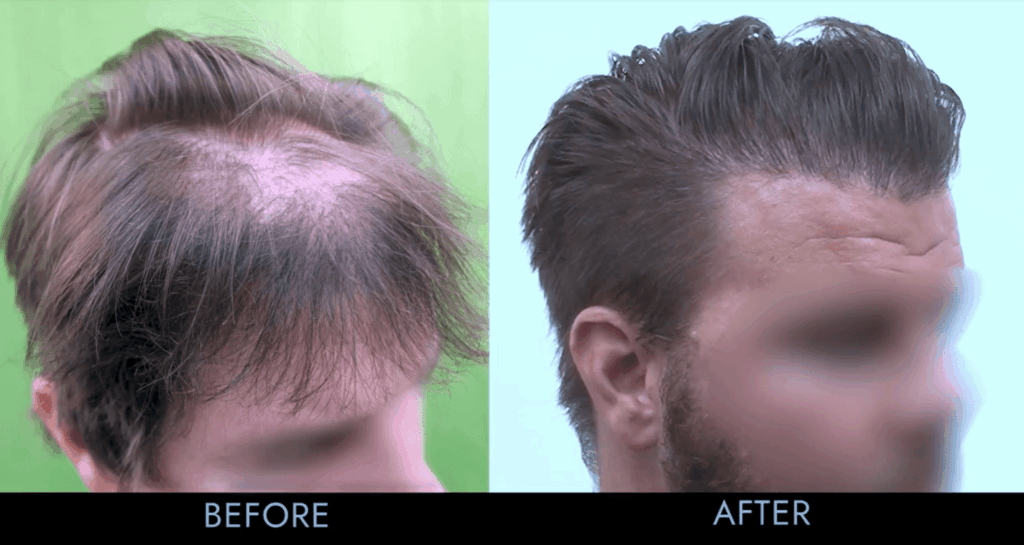
استخدم الدكتور عمر نظام Dr.UGraft™ لإجراء عملية زراعة شعر ناجحة تضمنت 5,375 وحدة بصيلية، مما حقق هدف المريض المتمثل في إصلاح نتائج عملية زراعة شعر سابقة فاشلة.
كيف أصبح نظام Dr.UGraft أفضل – نظام Zeus
منذ إجراء العملية لهذا المريض، واصل الدكتور “عمر” (Dr. Umar) تطوير تقنيته لزراعة الشعر. وتُعرف أحدث نسخة من نظامه باسم “Dr.UGraft Zeus”، وهي تعتمد على وحدة تحكم مركزية مزودة بشاشة تعمل باللمس، وتتميز بقدرات أداء مُعدة مسبقاً لأداة الاستئصال (الـ “بانش”) لتلائم الاختلافات في سُمك الجلد.
ووفقاً للدكتور “عمر”، فإن سُمك الجلد هو السبب الرئيسي لقطع بصيلات الشعر (أو تلفها) أثناء عملية الزراعة، وليس تجعد الشعر؛ إذ قد يواجه المرضى ذوو الجلد السميك في فروة الرأس والشعر الأقل تجعداً معدلات تلف أعلى بكثير مقارنةً بأولئك الذين يتمتعون بشعر شديد التجعد ومستويات سُمك جلد متوسطة.
من المتوقع أن يمتلك المرضى من مختلف المجموعات العرقية أنسجة فروة رأس ذات كثافة متفاوتة. وهذا سيؤثر على أداء تقنية اقتطاف وحدة البصيلات (FUE). تختلف سماكة الجلد لدينا في مختلف أنحاء الجسم. لضمان نجاح استخلاص الطعوم من المرضى المنتمين لأعراق مختلفة (مثل ذوي البشرة السوداء، وذوي الأصول اللاتينية، وسكان الشرق الأوسط، وغيرهم)، يجب أن يراعي أداء أداة الاستخلاص (الـ “بانش”) هذا المتغير. وينطبق الأمر ذاته عند استخلاص الشعر المانح من مناطق مختلفة من الجسم.
هل أنت مهتم بإجراء Dr.UGraft؟ اضغط هنا للحصول على استشارة مجانية عبر الإنترنت مع الدكتور عمر.
الأسئلة الشائعة – زراعة الشعر: قبل وبعد
ما هي أسباب عدم نمو الشعر بعد عملية زراعة الشعر؟
قد يحدث فشل في نمو الشعر نتيجة تعرض البصيلات للهواء أثناء عملية الاستخراج؛ إذ يؤدي هذا التعرض إلى جفاف البصيلات، مما يقلل من احتمالية نموها. كما قد ينجم عدم نمو الشعر عن أضرار ميكانيكية ناتجة عن أخطاء بشرية أثناء استخدام الأدوات الجراحية؛ وتشمل هذه الأخطاء الشائعة عدم محاذاة أداة الاستخراج (الـ “بانش”) بشكل صحيح عند محاولة استخراج البصيلات، أو التسبب في تلفها باستخدام الملاقط. وللحد من احتمالية وقوع مثل هذه الأخطاء، ابتكر الدكتور “يو” (Dr. U) أداة “Dr.UPunchi™” التي تتميز بخصائص محددة تهدف إلى معالجة المشكلات الميكانيكية.
متى تُستخدم شُعيرات الصدر كطُعوم مانحة في عملية Dr.UGraft™ لزراعة شعر الجسم؟
يُستخدم شعر الصدر كمصدر للبصيلات المانحة في الحالات التي تُستنفد فيها المنطقة المانحة في فروة الرأس، سواء كان ذلك بسبب الصلع الطبيعي أو نتيجة لإجراءات سابقة. ويتميز هذا الشعر بنعومته مقارنة بشعر اللحية، حيث يمكن دمجه مع البصيلات الأخرى لزيادة العدد الإجمالي للبصيلات والمساعدة في منح المريض مظهراً طبيعياً ومتجانساً عند اكتمال التغطية النهائية، وذلك بفضل تداخله وامتزاجه مع أنواع الشعر الأخرى. ويُعد استخدام شعر الصدر أمراً ممكناً بفضل نظام Dr.UGraft™، الذي يتيح استخلاص الشعر من أي منطقة في الجسم تقريباً.
متى تُستخدم شُعيرات اللحية كطُعوم مانحة في عمليات زراعة شعر الجسم؟
تُستخدم منطقة اللحية للمساعدة في زيادة العدد الإجمالي للبصيلات المتاحة للمريض في الحالات التي لا يكفي فيها شعر الرأس لتحقيق مستوى التغطية المطلوب (مثل حالات الصلع الشديد وحالات إصلاح عمليات زراعة الشعر المعقدة). وغالباً ما تُستخدم بصيلات شعر اللحية بالتزامن مع مصادر أخرى لشعر الجسم — مثل شعر الرأس والصدر ومؤخرة الرقبة — لإتمام عملية الزراعة.
لماذا تُعد تقنية Dr.UGraft™ أداةً ضروريةً لاستخراج ما يصل إلى 5,373 وحدة بصيلية؟
تضم عائلة أجهزة Dr.UGraft™ جهاز Dr.UPunchi™ الدوار، الذي يعتمد على آلية سحب دقيقة تقتلع الطُعم (البصيلة) أثناء القص حولها. وبفضل آلية السحب هذه، تتيح تقنية Dr.UGraft™ استخراج الطُعوم التي ينمو فيها الشعر بأي زاوية كانت؛ إذ تضمن ميزة القص بعيداً عن البصيلة -التي تواجه سطحاً غير حاد- سلامة الطُعم أثناء عملية الاستخراج. ونظراً لأن شعر الجسم يميل عادةً للنمو بزوايا حادة للغاية، فإن أدوات الاستخراج الأسطوانية التقليدية قد تتسبب في قطع الطُعم وإتلافه؛ لذا، فإن استخراج 5,373 طُعماً يتطلب من الطبيب الاعتماد على تقنية Dr.UGraft™ واستخدام شعر الجسم.
مراجع
- عمر س. خط الشعر المزروع: مجال للتحسين. مجلة أرشيف الأمراض الجلدية (Arch Dermatol). فبراير 2012؛ 148(2): 239-242.
قراءات إضافية
- تعرّف على الممارسة غير الأخلاقية المتمثلة في إجراء عمليات الشعر على يد أشخاص ليسوا أطباء، والمخاطر التي تشكلها هذه الممارسة على المرضى.
- تجنب أخطاء عمليات زراعة الشعر من خلال التعرف على أخلاقيات جراحة زراعة الشعر بتقنية اقتطاف وحدة البصيلات (FUE) ومن هو المؤهل فعلاً لإجراء هذه الجراحة.